
The International Monetary Fund warned on Thursday, 15 October 2026, that a prolonged war in the Middle East and fresh disruptions to energy production, shipping routes and critical infrastructure are the biggest risk to the region's economies, and that these countries' capacity to absorb shocks is shrinking. According to the Fund's forecast, Iran's economy will contract by 7.6 percent this year.
Jihad Azour, director of the IMF's Middle East and Central Asia Department, said at a press conference in Bangkok, on the sidelines of the annual meetings of the Fund and the World Bank, that the war has delivered a highly asymmetric shock to the region and that the countries directly involved in it have faced severe pressure. According to him, countries have so far softened the blow with energy reserves, alternative export and transport routes, and demand adjustment, but these tools offer only temporary relief, and dwindling reserves and limited spare capacity could, in the event of a fresh disruption, lead to a much sharper jump in prices.
Growth forecast for the region and Iran
The IMF estimates that the economy of the Middle East, North Africa and Pakistan, after growing 3.3 percent in 2025, will contract by 1.3 percent in 2026 and grow again by 6.6 percent in 2027. The Fund forecasts a double-digit recession for Iraq, Kuwait and Qatar, and expects the economies of Saudi Arabia and the United Arab Emirates to shrink this year as well.
According to the Fund's assessment, oil exporters directly hit by the war are experiencing a severe recession this year, and even with energy production recovering in 2027, their output will remain below pre-war forecasts. The Fund assumes that the Strait of Hormuz will reopen gradually from March 2027, and that shipping and energy exports will largely return to their pre-war state by October 2027.
The 7.6 percent contraction of Iran's economy is forecast at a time when the Islamic Republic's crude oil exports have fallen to zero under the US naval blockade and Iran's oil production has plunged below two million barrels a day. Meanwhile, point-to-point inflation has reached nearly 90 percent, and the burden of the Islamic Republic's warmongering in the Persian Gulf weighs most heavily on the dinner tables of ordinary Iranians.
UN warning on poverty
The United Nations Development Programme also warned, in a report published on 11 October, that if governments pass on increases in energy and food prices to consumers without subsidies or compensation, about 130 million more people will fall below the poverty line in 2026. Alexander De Croo, the programme's head, said in Bangkok that many developing countries have spent heavily on energy subsidies and that their resources for continuing them are running out. According to him, these countries had not yet recovered from the shocks of COVID and the war in Ukraine when the Middle East war hit them with a fresh one.
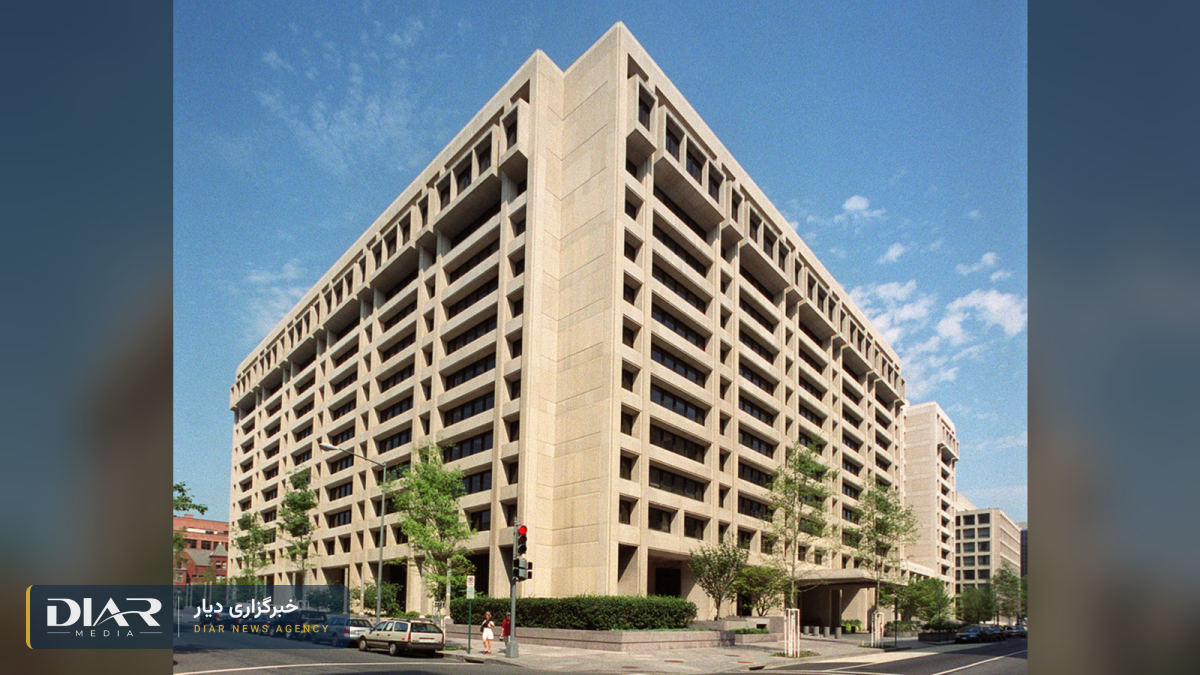
The IMF forecasts that Iran's economy will shrink by 7.6 percent this year, one of the steepest declines in the region.
Comments
No comments yet. Be the first.