
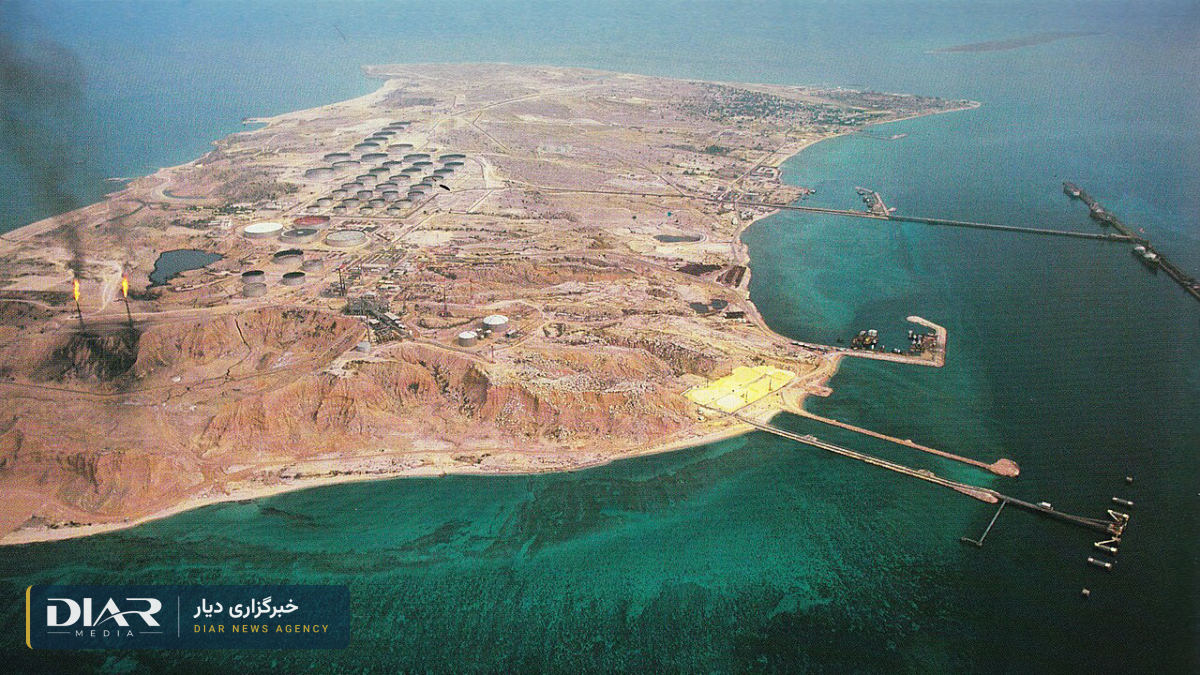
Iran's crude oil production in September fell to 1 million 957 thousand barrels a day, dropping below the two-million-barrel mark for the first time in recent months. The figure appears in OPEC's monthly oil market report, published on Tuesday, 13 October 2026, which, based on the organisation's secondary-source estimates, shows Iran's oil output down 99,000 barrels a day from the month before.
In the same month, Saudi Arabia raised its output by 744,000 barrels a day to 8 million 1 thousand barrels, the biggest increase among OPEC+ members. So while other producers in the region win back market share, Iran's oil production keeps shrinking under the pressure of the US naval blockade and the war.
The downward trend in Iran's oil output
Based on earlier OPEC data, Iran's oil production had been estimated at about 2 million 330 thousand barrels a day in May and about 2 million 478 thousand barrels a day in July. The new drop below two million barrels coincides with a complete halt in crude exports: data from the tanker-tracking firm Vortexa shows that Iran's seaborne crude exports fell to zero from the second week of September and stayed at that level into early October, a point DIAR had addressed earlier in its report on oil exports falling to zero under the US blockade.
When oil has no route to market, storage tanks fill up and the Islamic Republic is forced to cut output from its wells, a reduction that is costly and slow to reverse, especially in ageing fields.
Consequences for the economy and for people's tables
Mohsen Paknejad, oil minister in Masoud Pezeshkian's government, resigned on Sunday, 4 October, and Hamid Bord, managing director of the National Iranian Oil Company, became acting head of the ministry. The president's office called the reason for the resignation "personal". US Treasury Secretary Scott Bessent had said earlier that the Islamic Republic has no oil cargo at sea and that its oil revenue has fallen to zero.
The fall in oil revenue, on which a large part of the government's budget depends, adds to the pressure on the national currency, inflation and the budget deficit. In its new forecast, the International Monetary Fund has also projected a 7.6 percent contraction of Iran's economy in 2026.
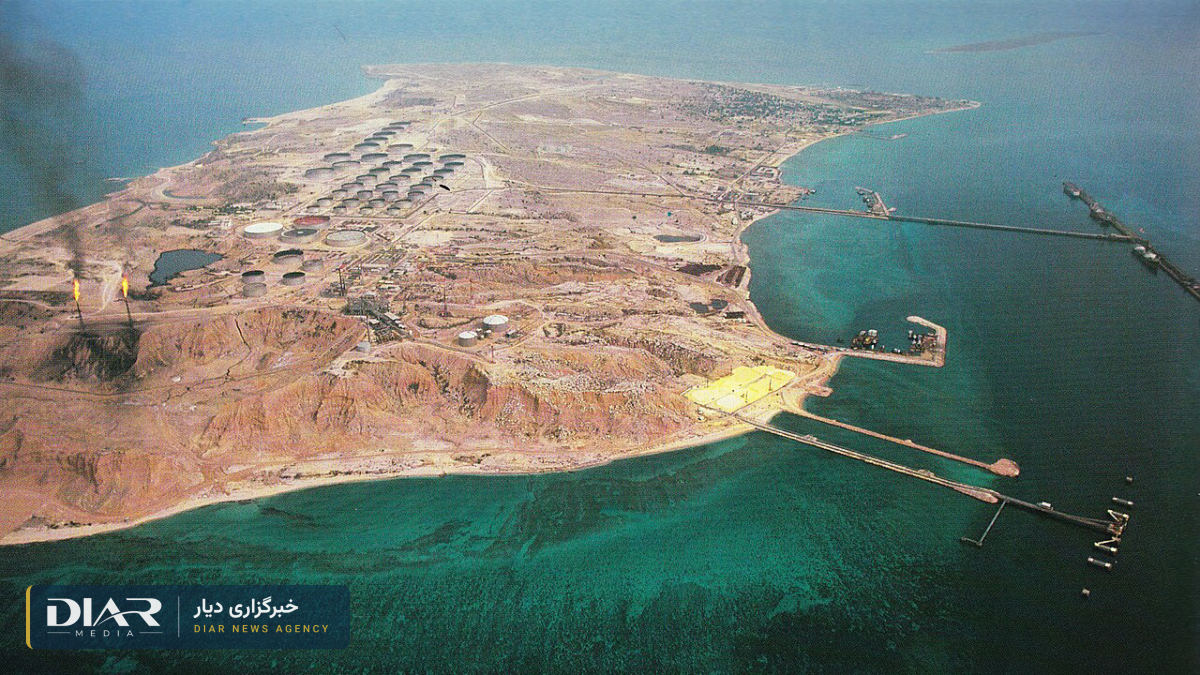
Iran's oil output reached 1.957 million barrels a day in September, while crude exports are at zero.
Comments
No comments yet. Be the first.