
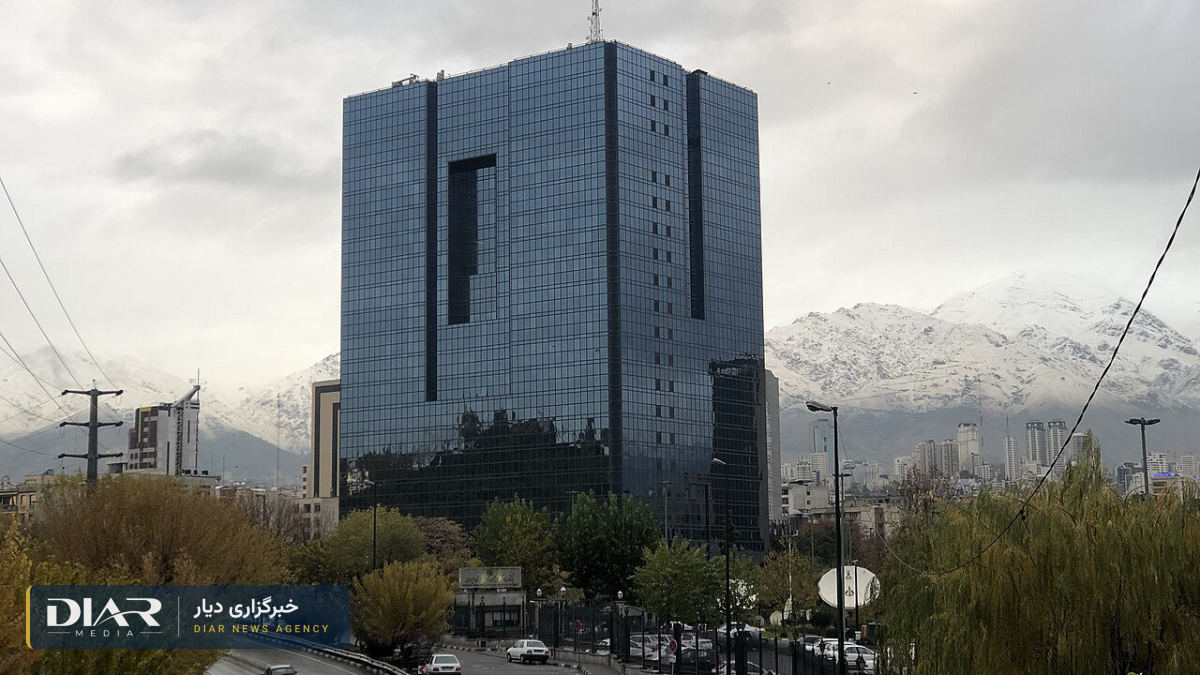
The Central Bank of the Islamic Republic has issued a directive to banks and credit institutions declaring a complete ban on granting any loans for the purchase of gold, foreign currency and cryptocurrencies of any kind. The directive, numbered 05/170539, was issued on 30 September 2026, and news of it was published by domestic media on Sunday, 4 October.
According to Eghtesad Online and Voice of America, the ban is not limited to direct loans but also covers indirect methods as well as banks' digital units and platforms. The central bank has asked banks to prevent any "diversion of bank resources" towards speculative and unproductive activities, to assess borrowers' creditworthiness and to monitor how the loans are used.
Responsibility of bank managers
According to the text of the directive published by domestic media, responsibility for any misuse of the loans will lie with the managers concerned, and if violations are discovered, the offending managers and staff will be referred to the supervisory and judicial authorities. This tone suggests the central bank is worried that part of the banks' resources, including through digital microloans, has flowed into the currency and gold markets.
The currency market in wartime
The decision comes as the currency and gold markets in Iran have set new records in recent days and the Islamic Republic's oil exports have effectively come to a halt following the war and the continued closure of the Strait of Hormuz. With the rial collapsing, many families have turned to buying dollars, gold coins and cryptocurrency to preserve the value of their savings, and in past years the central bank has repeatedly tried to curb this demand through administrative restrictions.
Economists have said time and again that such restrictions do not cure the root causes of inflation and the collapse of the national currency, namely the budget deficit, money printing and international isolation, and mostly push demand into informal markets. Meanwhile, domestic media have reported fresh changes in Masoud Pezeshkian's cabinet, including the resignation of the oil minister on the same day.
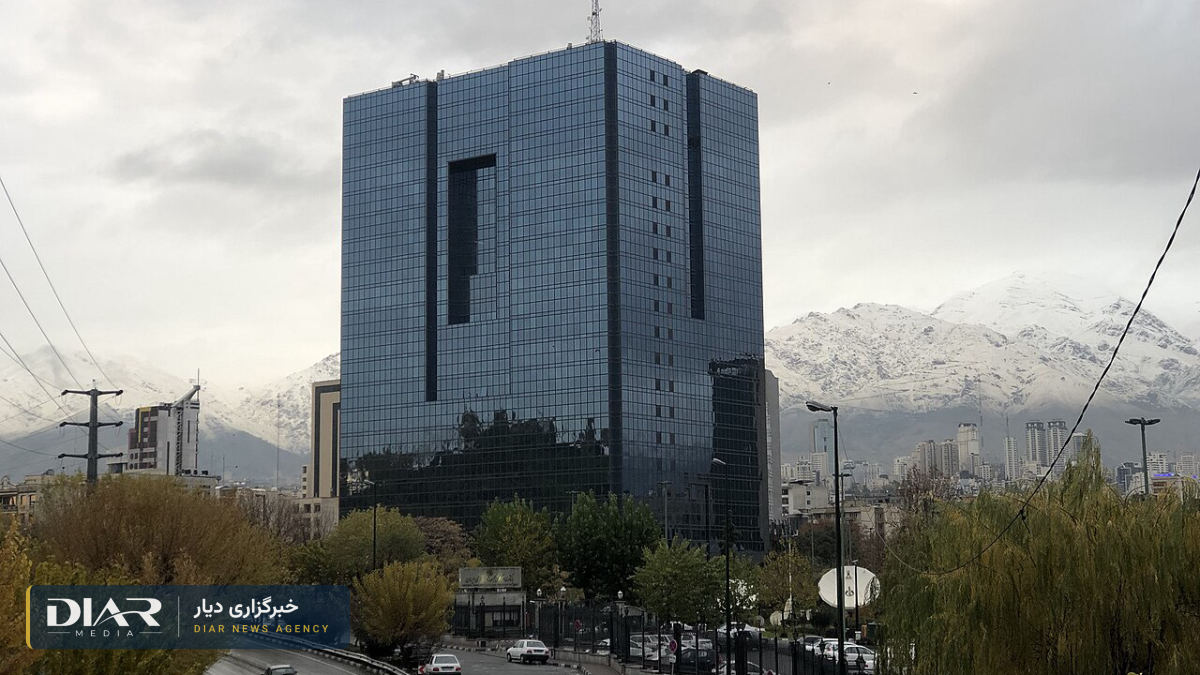
The central bank has banned all loans, even through digital platforms, for buying foreign currency, gold and cryptocurrency, and has threatened to refer offending managers to the judiciary.
Comments
No comments yet. Be the first.