
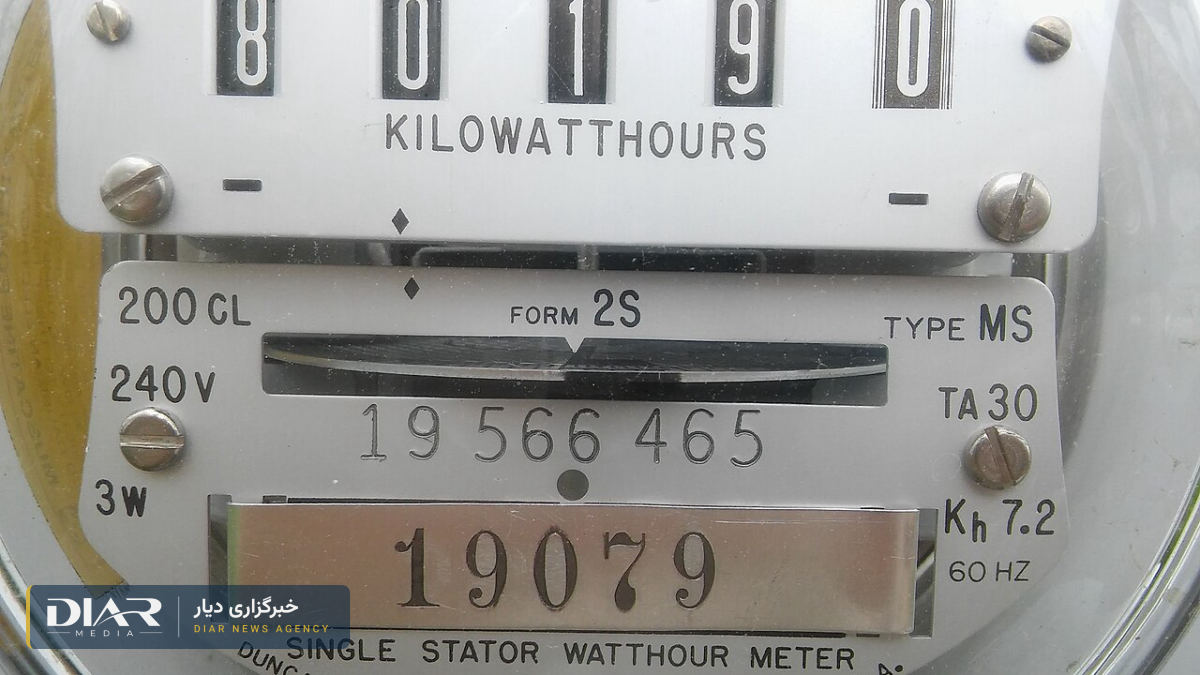
Electricity bills for homes, shops and workshops in Iran have risen two to several dozen times over in recent weeks. In reports they sent to independent Persian-language media on Wednesday, 14 October 2026, hundreds of citizens spoke of rising electricity bills despite lower consumption and repeated outages, and a number of them said they no longer pay their electricity bills.
According to the reports from the public, a bill that used to be about 350,000 tomans has reached 6 million 400 thousand tomans, a 2-million-toman bill has gone up to 12 million, and a 230,000-toman bill to 7 million 800 thousand tomans. One family without an air conditioner spoke of a 120,000-toman bill that arrived as 1 million tomans, and another of a rise from 36,000 tomans to 605,000 tomans, even though, they said, the power at their home was cut on most days.
Higher electricity bills despite blackouts and lower consumption
Many citizens say their consumption has not only failed to rise but has fallen. A family who were at home for only five days of the billing period received a bill six times higher, and the owner of a workshop that had been closed for 9 months received a bill higher than in the months it was working. A retired teacher living in Moniriyeh, Tehran, said that on a monthly pension of 20 million tomans he received an electricity bill of one and a half million tomans.
The pressure on businesses has also become heavier: one workshop's monthly bill went from 8 million 300 thousand tomans to 16 million 700 thousand tomans, and the bills of two shops from 8 and 10 million tomans to about 30 million tomans. One citizen said the monthly consumption-pattern ceiling has been cut from 300 to 200 kilowatt-hours and that the tiered tariff pushes costs up quickly; according to him, the calculation formula is unclear and there is no independent body to which to appeal.
Refusing to pay electricity bills
A number of citizens say they have not paid their electricity bills for months; one said six months, another two years. A citizen whose refrigerator burned out in a power surge said he will not pay the bill until his damage is compensated. Several people also reported threats of disconnection over late payment. These protests do not yet take the form of an organised movement, but they show that the cost of the Islamic Republic's energy crisis has fallen on families more than anywhere else.
The Islamic Republic calls the electricity shortage an "imbalance", but experts trace its roots to ageing power plants, a lack of investment, administered pricing and grid losses. This new pressure comes as the International Monetary Fund forecasts that Iran's economy will shrink by 7.6 percent this year and the Islamic Republic's oil exports fell to zero in October.
Families' electricity bills have multiplied, while the power in their homes is cut on most days.
Comments
No comments yet. Be the first.