
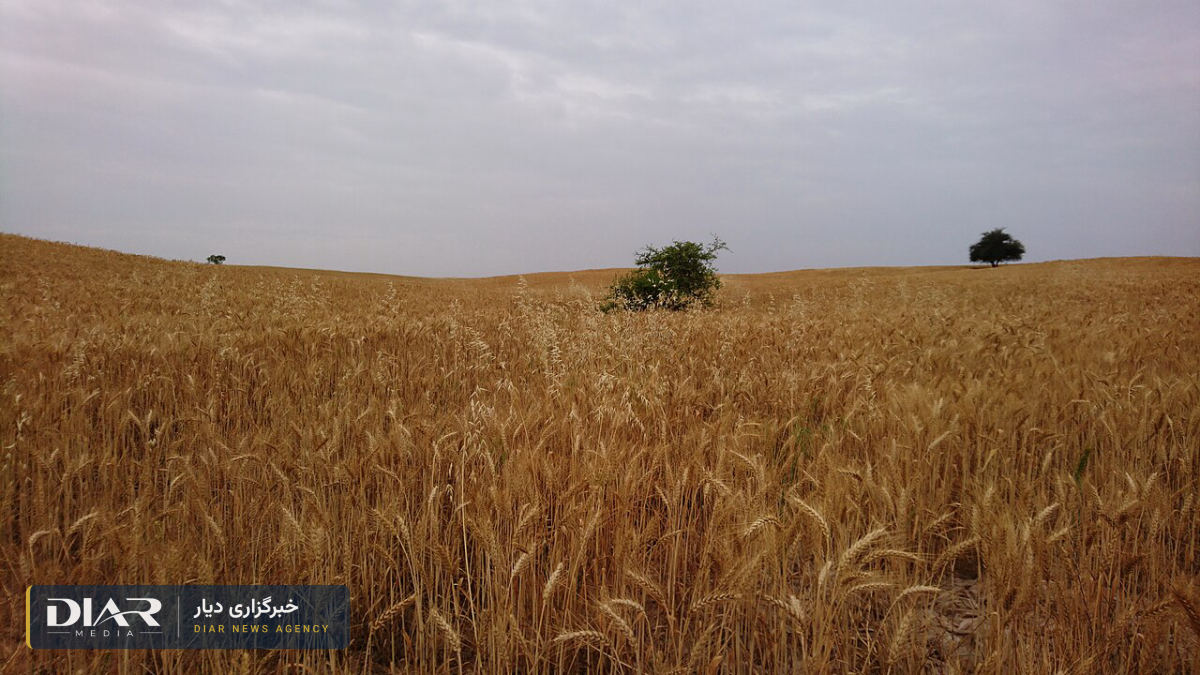
Part of the money for the wheat that Iranian farmers sold to the Islamic Republic's government last year has still not been paid, and wheat farmers face a cash shortage on the eve of autumn sowing. According to data from the Targeted Subsidies Organisation as of 9 October 2026, of about 410,000 billion tomans owed for guaranteed-purchase wheat, nearly 392,000 billion tomans have been paid and about 18,000 billion tomans are still owed to farmers.
Ghadam Barbar, deputy head of the National Foundation of Wheat Farmers, said that in various provinces between 10 and 30 per cent of farmers' claims have not been paid. Hassan Norouzi, head of the Targeted Subsidies Organisation, attributed part of the delay to a mismatch between the data of his organisation and the Ministry of Agricultural Jihad, and said payment of the remainder depends on fixing the administrative system. The government has announced no deadline for settling the remaining debt.
The guaranteed wheat price and the rial's collapse
Last year's guaranteed purchase price for wheat was set at between 47.5 and 49.5 million tomans per ton, depending on type and quality. At that time the dollar was about 166,000 tomans, and the highest price came to about 298 dollars per ton. With the dollar at about 261,000 tomans today, the same sum is worth only about 189 dollars; in other words, a farmer who is paid late has lost about 36 per cent of its value. The new 2026-27 crop year has also begun without any announcement of a guaranteed wheat purchase price.
Meanwhile, the Ministry of Agricultural Jihad has set the price of wheat seed at between 72,000 and 75,600 tomans per kilo; at least 45 per cent more than the highest price the government pays for each kilo of harvested wheat. Farmers pay cash for seed, fertiliser, pesticide, labour and irrigation, but are paid for their crop in instalments and late.
Selling wheat to dealers
Peyman Alemi, head of the Agricultural Guilds Chamber, said farmers who need cash sell their wheat to dealers at 38,000 to 44,000 tomans per kilo, and warned that continued delays could reduce domestic production and state wheat purchases in the coming years. Wheat farmers from the Sanjabi area in Kermanshah province and from Nourabad have also said that carrying on is getting harder for them every day.
This comes as the International Monetary Fund has forecast that Iran's economy will shrink 7.6 per cent this year and that the increase in kalabarg credit does not even reach the price of a kilo of meat.
A farmer who is paid late for his wheat has, with the rial's collapse, lost about 36 per cent of its value.
Comments
No comments yet. Be the first.