
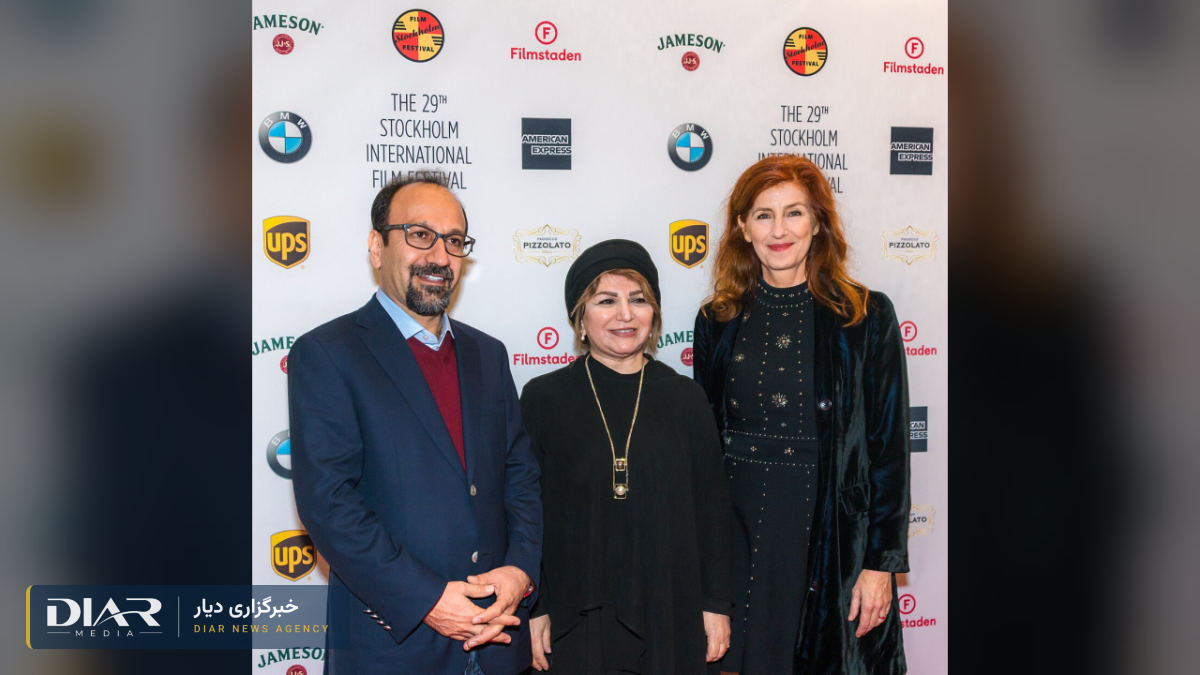
Asghar Farhadi, the Iranian director and two-time Oscar winner, has announced that his next film is a Persian-language social drama set in Tehran, but that he will make it outside Iran because he refuses to work under an official permit and the requirement of compulsory hijab. Farhadi wrote this in an Instagram post accompanied by excerpts from a video of a cinema masterclass in Brazil.
According to Farhadi, the screenplay is nearing completion and filming will take place in 2027. Rejecting rumours that had spread on social media, he said the film has nothing to do with Palestine. Earlier this August, in an interview with Screen at the Sarajevo Film Festival, Farhadi had also said that, because of political and social restrictions, he would shoot his next film neither in Iran nor in France.
Censorship and compulsory hijab in Iranian cinema
To make any film in Iran, filmmakers must obtain a licence from the Islamic Republic's Ministry of Culture and Islamic Guidance, submit the screenplay for approval, and have the finished film pass through review as well. Female actors are forced to wear the hijab even in scenes set at home and in private spaces, a rule that has for years put an unreal picture of Iranians' lives on the cinema screen. Farhadi's decision comes as the Islamic Republic's pressure to enforce compulsory hijab has intensified again and Tehran's judiciary chief has announced judicial action against women without hijab.
Reply to the regime's media
In the same post, Farhadi also responded to interpretations of his remarks in Brazil about the film "Argo" and Hollywood. Some outlets had wrongly presented those remarks as an interview with Variety. He said that criticising Hollywood or debating American democracy does not amount to endorsing the way Iran is governed, and accused regime-linked media of distorting his words for political ends, media that, he said, have attacked him for years. Farhadi said Iran is his red line and that all his positions rest on that.
Farhadi's latest film, "Parallel Tales", was made in Paris and in French. After the nationwide protests of 2022 he supported the "Woman, Life, Freedom" movement, and had earlier said he was officially under a ban on professional dealings.
Asghar Farhadi refuses to make films under the compulsory hijab rule and the Islamic Republic's official permit system.
Comments
No comments yet. Be the first.