
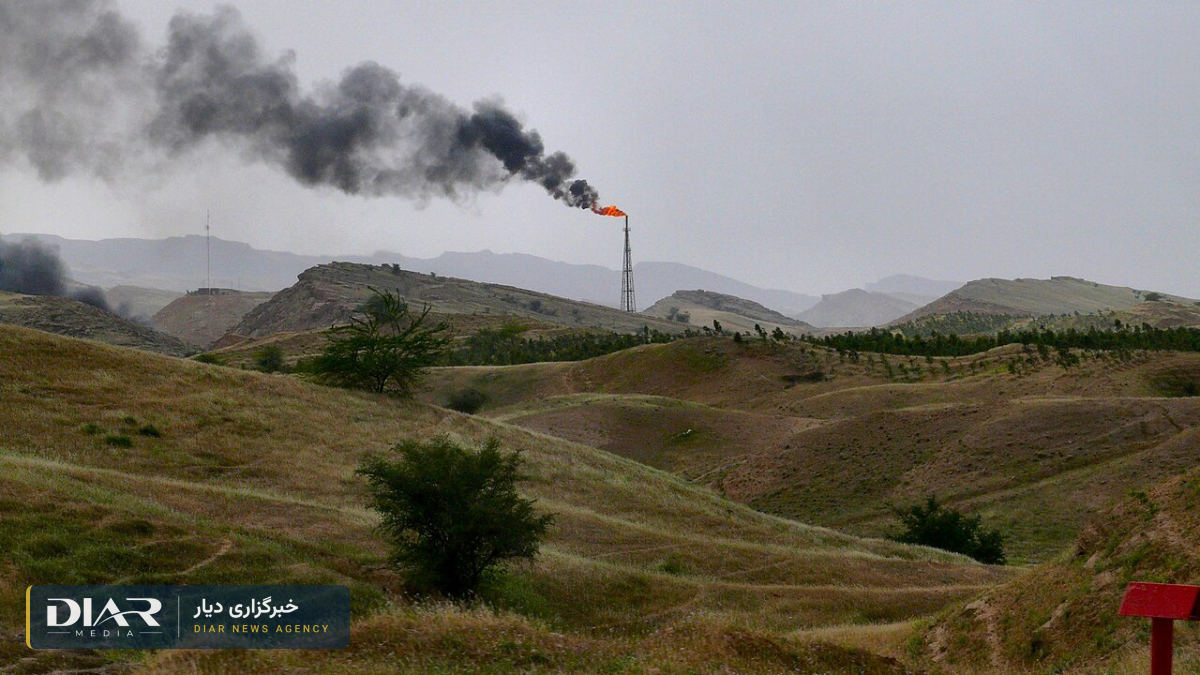
In a statement on Tuesday, 13 October 2026, the Haft Tappeh Sugarcane Workers' Union condemned the carrying out of flogging sentences on more than 10 dismissed workers of the Petropars company in Hoveyzeh, in Khuzestan province. Each of these workers was sentenced to 74 lashes and a fine of 20 million toman for protesting their dismissal and the non-renewal of their contracts, and the flogging sentences have been carried out.
According to the Human Rights Activists in Iran (HRANA), police arrested these workers after a protest gathering, and a complaint by Petropars led to cases being opened against them. The sentences were issued this summer by the Hoveyzeh criminal court under Judge Malektabar Firouzjani. HRANA said most of these workers hold bachelor's or master's degrees. The Karun Human Rights Organization also reported on 9 October that the sentences had been carried out, describing the workers as skilled Arab and local staff of the region who were protesting being replaced by non-local workers.
The Haft Tappeh union's demands
In its statement, the Haft Tappeh Sugarcane Workers' Union called flogging the authorities' answer to workers protesting hunger and poverty, and demanded an immediate end to this punishment, the trial of those who issued the sentences, and a public apology to the workers. The union stressed in its statement: "Demanding one's rights is not a crime." The union also pointed to the contradiction between the Islamic Republic's slogans about defending the world's deprived and its flogging of its own workers.
Earlier, on 11 October, the councils of contract and informal oil workers had also strongly condemned the carrying out of these sentences in a joint statement. The Islamic Republic's judiciary has so far offered no explanation about the case.
Flogging, a tool for suppressing labour protests
Flogging protesting workers has a long history in Iran. Earlier, 17 workers of the Agh Darreh gold mine and 42 workers of Azarab in Arak were sentenced to flogging for union-related protests; in addition to 74 lashes, the Azarab workers were also sentenced to one year in prison and one month of unpaid labour.
These sentences are being carried out at a time when the economic crisis caused by the war and the halt in the Islamic Republic's oil exports has increased pressure on workers, and unemployment insurance payments to dismissed workers have been delayed by up to two months.
More than 10 dismissed Petropars Hoveyzeh workers each received 74 lashes solely for protesting their dismissal.
Comments
No comments yet. Be the first.