
A newer update of this story has been published: Mostafa Sepahvand in London court: an IRGC officer threatened to kill me
This report updates: Spying for the Islamic Republic in London: tracking of Iran International's office and Kambiz Hosseini
As the trial of three Iranian nationals continues at Woolwich Crown Court in London, British prosecutors presented new evidence to the jury. It includes messages exchanged by Mostafa Sepahvand, the main defendant in the case of spying for the Islamic Republic and preparing an attack on Persian-language journalists, with a contact saved in his phone as "Navid Dadash Embassy".
According to the prosecution, Sepahvand, 41, Farhad Javadi-Manesh, 46, and Shapour Qalehali Khani Nouri, 57, gathered information between July–August 2024 and January–February 2025 that could have helped the Islamic Republic's intelligence apparatus commit serious violence against at least one target. The targets of the surveillance were Mojtaba Pourmohsen and Kambiz Hosseini, two Iran International journalists in London. All three defendants deny the charges against them under Britain's National Security Act.
New evidence at Woolwich
According to messages read in court, on 28 March 2025 Sepahvand wrote to this contact that he was going to the embassy to see him, and a few days later said he was sending a friend there. The messages presented did not make clear what role this contact had or which embassy was meant.
The prosecution also played an audio file from February–March 2025 in which Sepahvand says he was promised £150,000 and help resolving his legal case in Iran, but that only £3,500 had been sent to him and they kept sending new addresses. Other messages were also shown to the jury, about his contact with two men using an Iranian phone number; one of them had discussed the cost of finding people and promised to resolve his legal problems in Iran. According to Sepahvand, a man named "Amin" had threatened him that his case in Iran would not be closed until he did the job.
In earlier sessions, photographs of places linked to the two journalists, information from Kambiz Hosseini's social media accounts and messages about Iran International's office had been presented to the court.
The defendants' case
Sepahvand accepts that he carried out surveillance for the Islamic Republic, but says he feared the consequences of refusing and deliberately did the job badly; the prosecution rejects this explanation. The other two defendants accept that they went to these places and took photographs and video, but say they did not know this was to the benefit of the Islamic Republic's intelligence apparatus.
The trial continues as pressure on the Islamic Republic over transnational repression in Britain has grown. Ken McCallum, the head of MI5, this week said the Islamic Republic has turned to harder targets such as British military bases, and the Islamic Republic's foreign ministry, after the allegation that the IRGC directed the Fairford base plot, summoned the British ambassador for the second time.
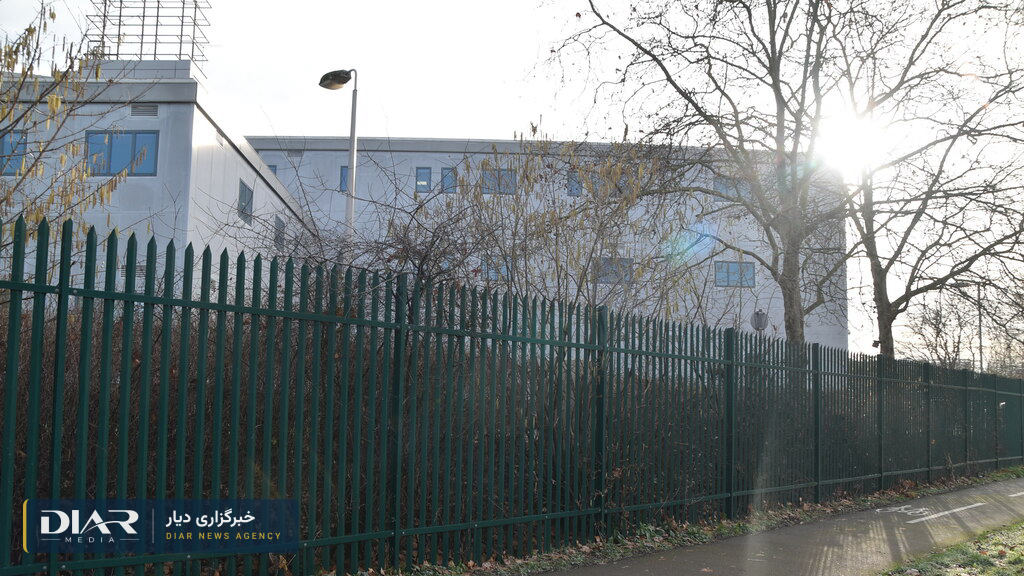
British prosecutors say the main defendant was promised £150,000 to identify two Iran International journalists.
Comments
No comments yet. Be the first.