
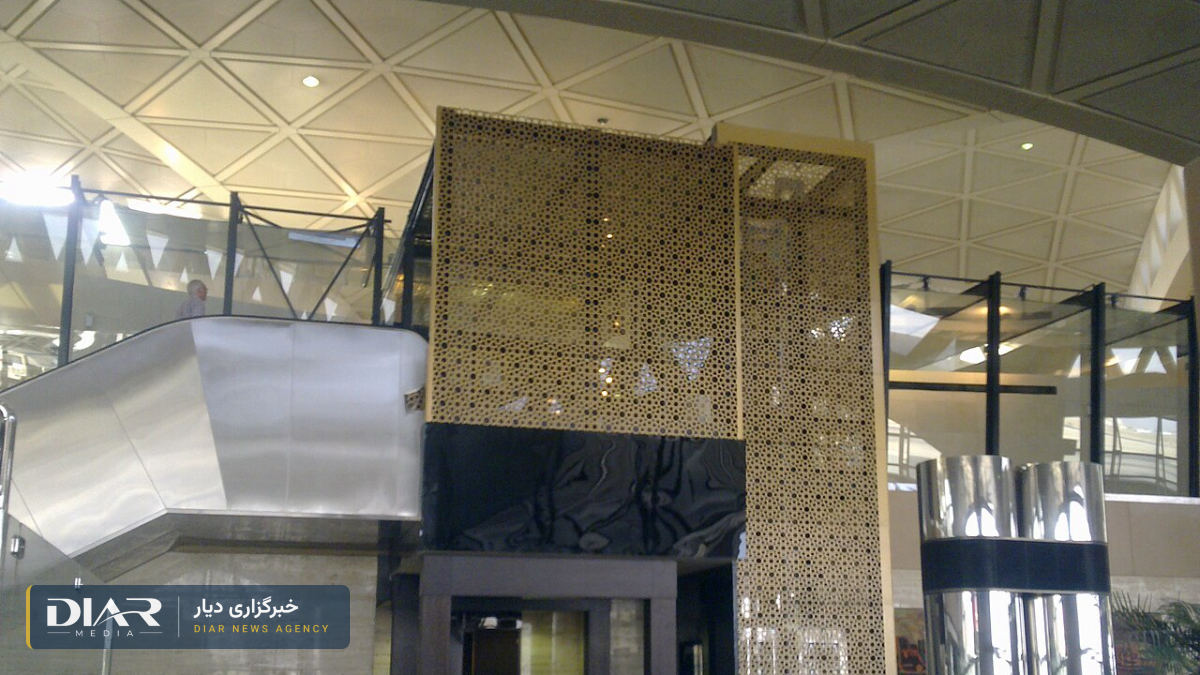
King Khalid International Airport in Riyadh will stay closed until Saturday, Saudi officials announced, after the Houthis of Yemen, allies of the Islamic Republic, targeted the Saudi capital for a third consecutive night on the evening of Monday 12 October. Meanwhile it has emerged that, several days before the deadly attacks on the airport, Saudi Arabia had stopped sending public warnings about imminent attacks.
Turki al-Maliki, spokesman for the Saudi-led coalition, said coalition forces intercepted and destroyed one ballistic missile fired at Riyadh and two ballistic missiles fired at Khamis Mushait air base. Yahya Saree, the Houthis' military spokesman, claimed the group had targeted King Khalid Airport and had also sent a drone toward Khamis Mushait base. Residents of Riyadh heard several explosions on Monday evening.
Public warnings stopped before the attacks
According to a report published by Reuters, the last Saudi civil defense warning before the attacks on Riyadh airport had been issued on 29 September, for Najran province. Two informed officials said that when one of Saudi Arabia's Western allies asked why the warnings had stopped, Saudi officials replied that the alerts were too disruptive and that citizens had complained about being woken in the middle of the night. On Monday, Saudi civil defense issued its first warning since 29 September about possible threats against Riyadh and southern cities.
According to two Western officials, Riyadh has been targeted about 12 times since the start of October. Western embassies in Saudi Arabia sent internal warnings to their staff during this period, but no such warning was sent before the attack on Saturday 10 October, the deadliest attack on the airport. Ali Shihabi, a Saudi analyst close to the authorities, said that with or without warnings, Saudi Arabia struggles to protect its vast territory and that Patriot systems and interceptor missiles are not available in sufficient numbers. The Saudi government has not responded to questions about why the warnings were stopped.
Cancelled flights and travel warning
With Riyadh airport closed, Etihad cancelled all its flights to and from Riyadh until next week and also suspended flights to Dammam and Jeddah. Gulf Air cancelled its Riyadh flights until Saturday, and Delta postponed the start of its direct Atlanta–Riyadh flights, which had been scheduled for 23 October. US President Donald Trump said of the Houthis that they are "behaving very badly", but gave no sign of direct involvement by Washington.
According to the latest published figures, at least 18 people have been killed and more than 300 injured in the recent Houthi attacks on the Riyadh and Dammam airports. Saudi Arabia had earlier opened an investigation into the failure of its air defenses against the attack on Riyadh airport. The Houthi attacks on the Riyadh and Dammam airports provoked a broad international reaction, and Prince Reza Pahlavi called the attack proof of the Islamic Republic's warmongering.
Saudi Arabia had stopped issuing public warnings to citizens several days before the Houthis' deadliest attacks on Riyadh airport.
Comments
No comments yet. Be the first.