
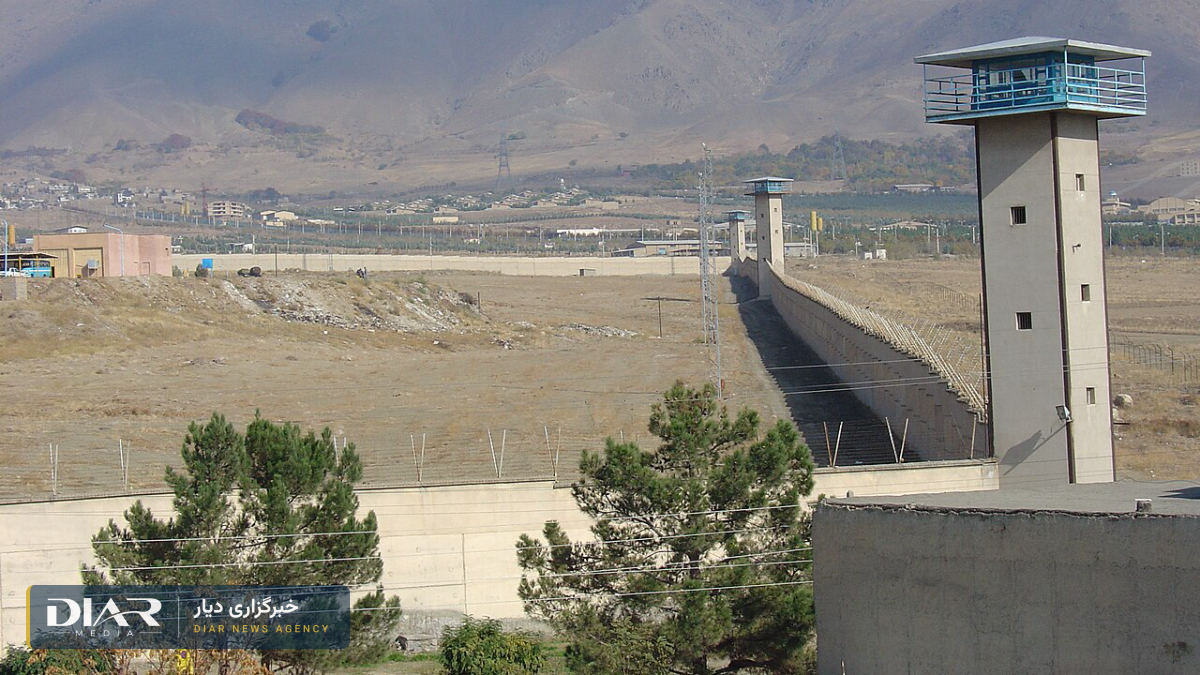
The final stages of the demolition of the Rajaei Shahr prison complex in Karaj, known as "Gohardasht prison", were carried out on Sunday, 4 October 2026, according to media inside Iran. A day earlier, on Saturday, 3 October, one of the prison's last watchtowers had been torn down.
According to Radio Farda, Heydar Asiabi, head of the Islamic Republic's Prisons Organisation, has said that the prison's 60-hectare site will be allocated to commercial, residential, educational and administrative use. Judiciary officials have described the demolition as the implementation of a parliamentary act to move prisons outside cities and as a contribution to Karaj's urban development.
Warnings over the destruction of evidence
Human rights activists and organisations had repeatedly warned that demolishing Gohardasht could wipe out evidence of the massacre of political prisoners in the summer of 1988 and of the executions that followed. Mahmood Amiry-Moghaddam, director of Iran Human Rights, has said that destroying evidence was one of the main motives for closing and demolishing the prison.
A symbol of repression
In Iranians' collective memory, Gohardasht is bound up with political repression, and especially with the mass executions of political prisoners in 1988. Until its closure, the prison was also the site of the execution of a number of political prisoners and held many political convicts.
Gohardasht prison, one of the symbols of the 1988 executions, has been completely razed and its land will go to commercial and residential use.
Comments
No comments yet. Be the first.