
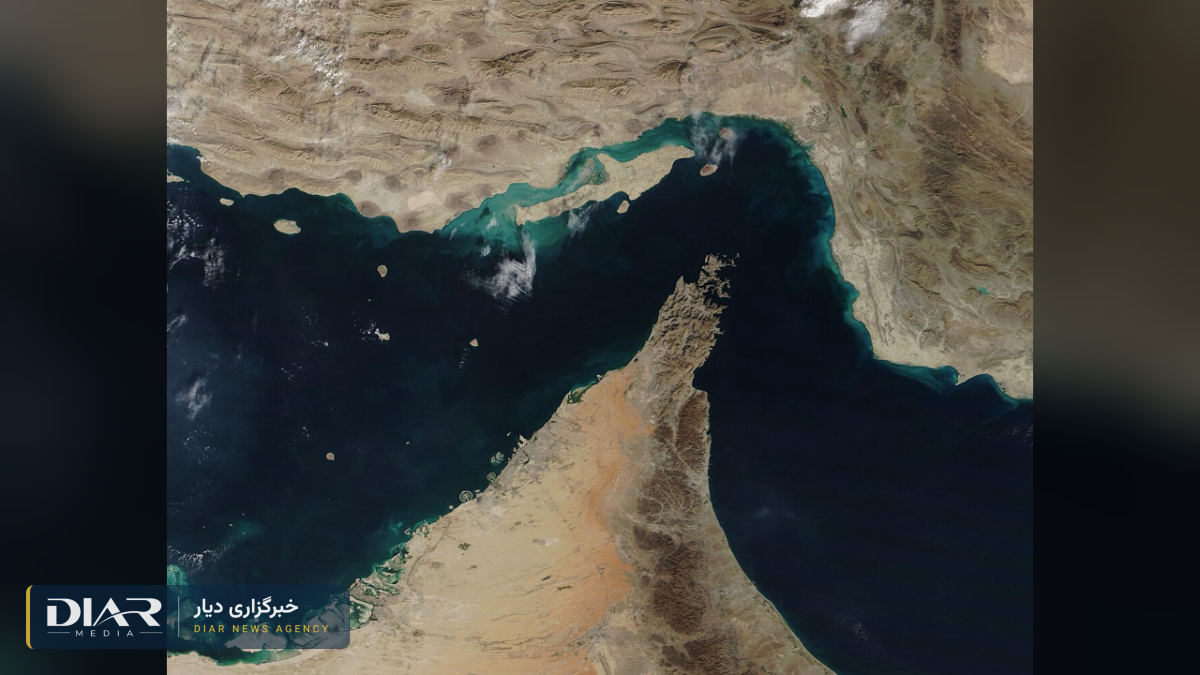
Hossein Shariatmadari, managing director of the Kayhan newspaper, who is appointed by Ali Khamenei, wrote in a column on Monday 12 October 2026 that targeting the internet fibre-optic cables in the Persian Gulf and the Strait of Hormuz is the "undeniable right" of the Islamic Republic. According to Iran International, in the column he backed the recent threat by Mohsen Rezaei, secretary of the Supreme National Security Council, against the region's communications infrastructure.
Shariatmadari claimed that about seven main global internet cable systems pass through the Persian Gulf and the Strait of Hormuz, and that limited damage to them could disrupt more than 80 percent of commercial, banking, military and artificial intelligence communications. He called opponents of the war "pro-Western" and urged officials to use this instrument of pressure against the United States and its allies.
Mohsen Rezaei's threat against the region's data centres
On Sunday 11 October, Mohsen Rezaei had said that if the war resumed, the region's cables, data centres and artificial intelligence facilities would be within the Islamic Republic's range, and he put the value of this infrastructure at more than 2 trillion dollars. The threat came at the same time as the test-firing of dozens of ballistic missiles by the Islamic Revolutionary Guard Corps (IRGC). According to Iran International, regime-linked media, including the IRGC-affiliated Tasnim news agency and the Farhikhtegan newspaper, then published a list of technology companies, data centres and energy companies in the United Arab Emirates as "possible new targets".
Background to the threat to submarine cables
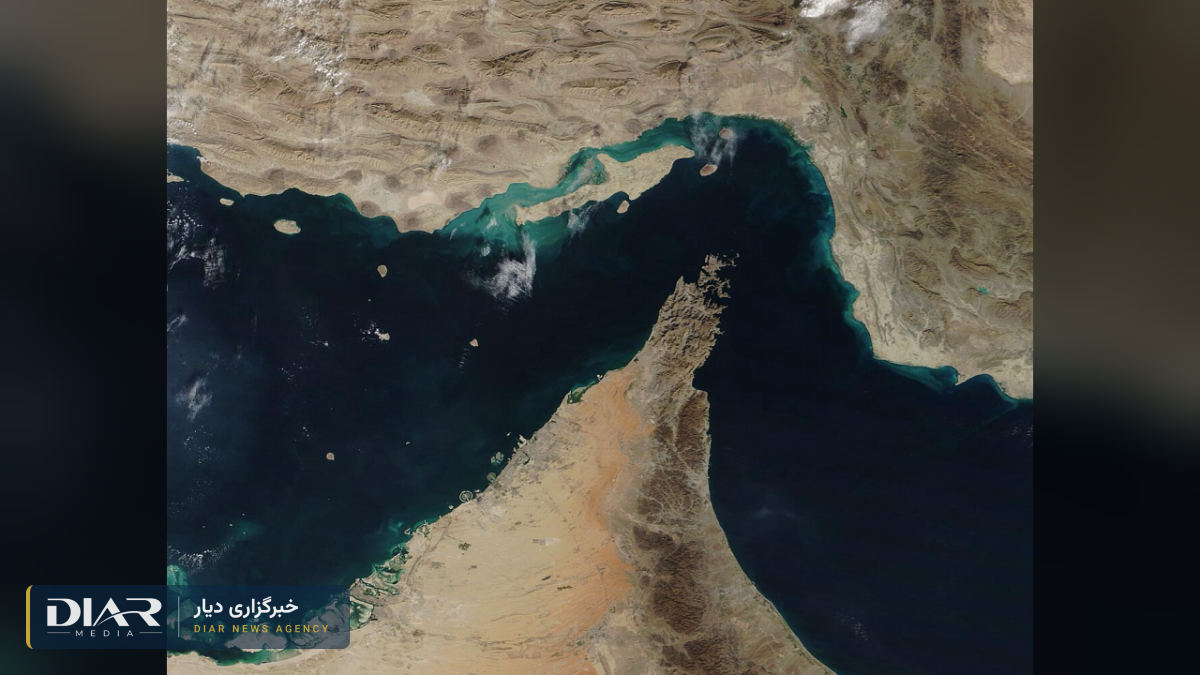
This is not the first time Kayhan has made such a demand. According to Iran International, on 3 September the newspaper had also called on the armed forces and the IRGC to disrupt or cut the fibre-optic cables under the Persian Gulf and the Strait of Hormuz, and had acknowledged that such a step could violate international rules and harm other countries. That column was published a day after a report by Al Arabiya which, citing an American source, described US strikes on the Islamic Republic as a pre-emptive move against a plan to target the Strait of Hormuz submarine cables. In April–May, Tasnim had also called for fees to be charged on cables passing through the Strait of Hormuz.
Submarine cables carry most of the world's internet traffic and financial transactions, and the threat against them, after the rejection of the US response to the Islamic Republic's conditions on the Strait of Hormuz, shows that the regime has widened the scope of its threats from oil and shipping to the world's digital infrastructure.
The Kayhan newspaper, whose director is appointed by Ali Khamenei, called attacks on global internet cables in the Persian Gulf a right of the Islamic Republic.
Comments
No comments yet. Be the first.