
Mehdi Afshari, head of the economic security police of Greater Tehran, announced that the number of arrests of currency market activists since the start of this year has risen by 40 to 50 percent compared with last year. According to Voice of America, the remarks were published on Monday, 12 October 2026, as the dollar price on Tehran's open market, after a string of record highs, has stayed in the range of 263,000 to 268,000 toman.
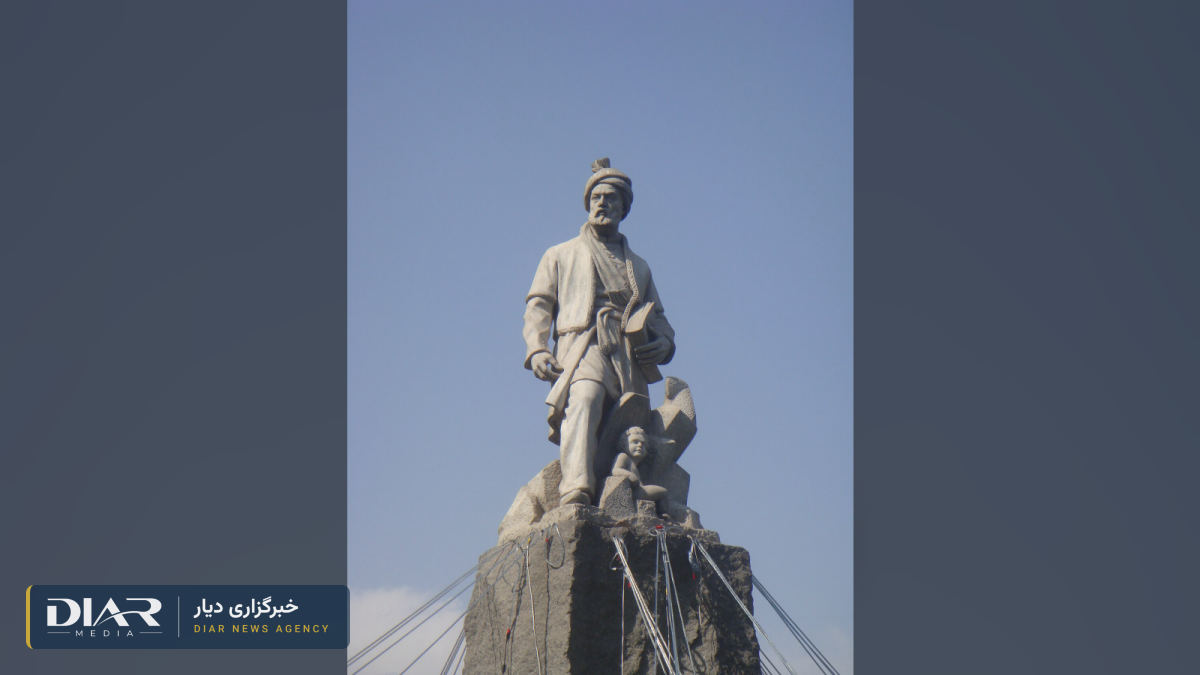
Afshari said the police identify buyers and sellers of currency, whom they call "disruptors of the currency system", through "overt and covert patrols". He described Ferdowsi Square in Tehran, one of the oldest currency trading hubs in the capital, as one of the "illegal" places for buying and selling, and said that people who are arrested return to it because of the high profits. The official gave no absolute figure for the number of people arrested.
A security crackdown instead of curbing inflation
The intensified arrests come as no official of the Islamic Republic has credited the slight retreat of the exchange rate in recent days to these measures. Since 3 October, the Islamic Republic's central bank has begun selling currency in five banks, capped at 10,000 dollars per national ID card; the rate of this sale is lower than the open market, and according to Voice of America the gap on each quota amounts to tens of millions of toman. For this reason, some members of parliament and critics have asked who, apart from brokers, can afford to buy 10,000 dollars.
The fall of the rial during the months of war with America and the naval blockade has put unprecedented pressure on citizens' lives. Shopkeepers say the Tehran bazaar is facing bankruptcy and inflation of nearly 90 percent, and the central bank itself has announced that Iran's economy shrank by more than 12 percent in spring 2026. In previous years too, with every wave of currency price rises, the Islamic Republic has turned to arresting money changers and market activists and threatening media outlets that publish the exchange rate, instead of correcting its monetary policies.
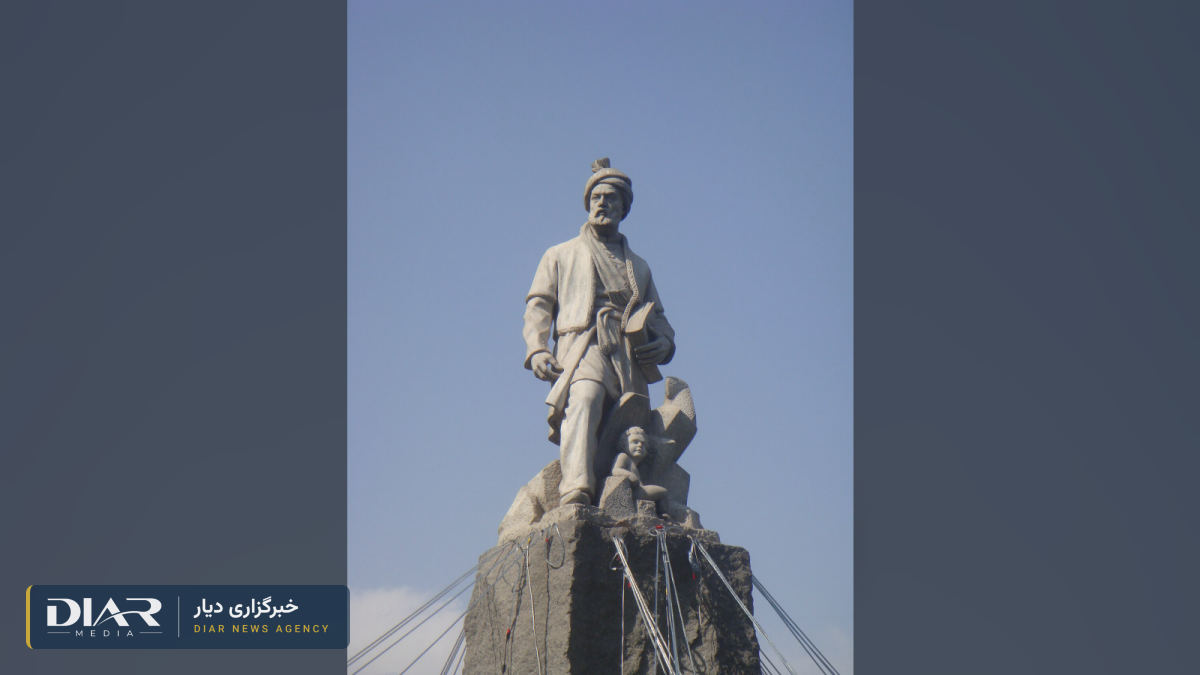
In the face of the rial's collapse, the Islamic Republic has once again turned to arresting currency market activists.
Comments
No comments yet. Be the first.