
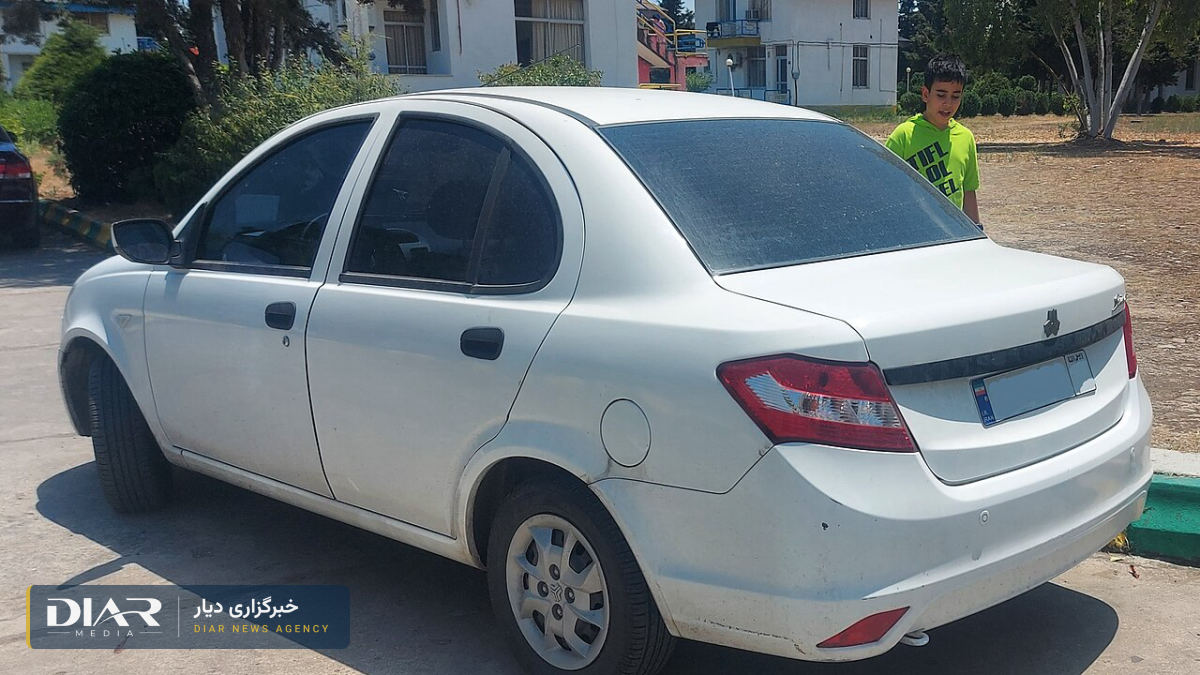
The price of the Saina, one of the cheapest domestically produced cars, has risen about 60-fold over the past 10 years. According to Iran International, the car cost about 28 million toman in October 2016, and the Saina S is now, in October 2026, selling on the market for 1.685 billion toman.
The report, published on Sunday 11 October, compares the car's price with workers' base salary: buying a Saina in 2016 cost about 34 to 35 months of the base minimum wage, but today it takes more than 101 months of base salary. The ratio of car price to wages has thus roughly tripled in a decade.
Prices of other cars
According to the same report, the manual Quick costs 1.623 billion toman and the manual Tara 2.75 billion toman; the price of the Tara alone rose by 130 million toman in a single day. In 2016 the Pride 131 cost about 21 million toman and the Peugeot 206 Type 2 about 33 to 35 million toman.
Used cars have not been spared this wave either: a second-hand Peugeot 206 now costs between 715 million and 1.35 billion toman depending on year of manufacture and mileage, and a 2011 Pride with 320,000 kilometres on the clock sells for 550 million toman.
A car that ten years ago could be bought with 35 months of salary now takes more than eight years of salary.
Comparison with Turkey
Iran International also compared car prices in Iran with those in Turkey. The cheapest Fiat Egea in Turkey has risen about 28-fold over these ten years, and its price relative to the minimum wage has gone from about 32 months to 45 months; growth that, despite Turkey's high inflation, is far smaller than in Iran.
The rise in car prices comes as inflation of nearly 90 percent has pushed businesses in Tehran's bazaar to the brink of bankruptcy and retirees in several cities have rallied to protest the high prices.
Comments
No comments yet. Be the first.