
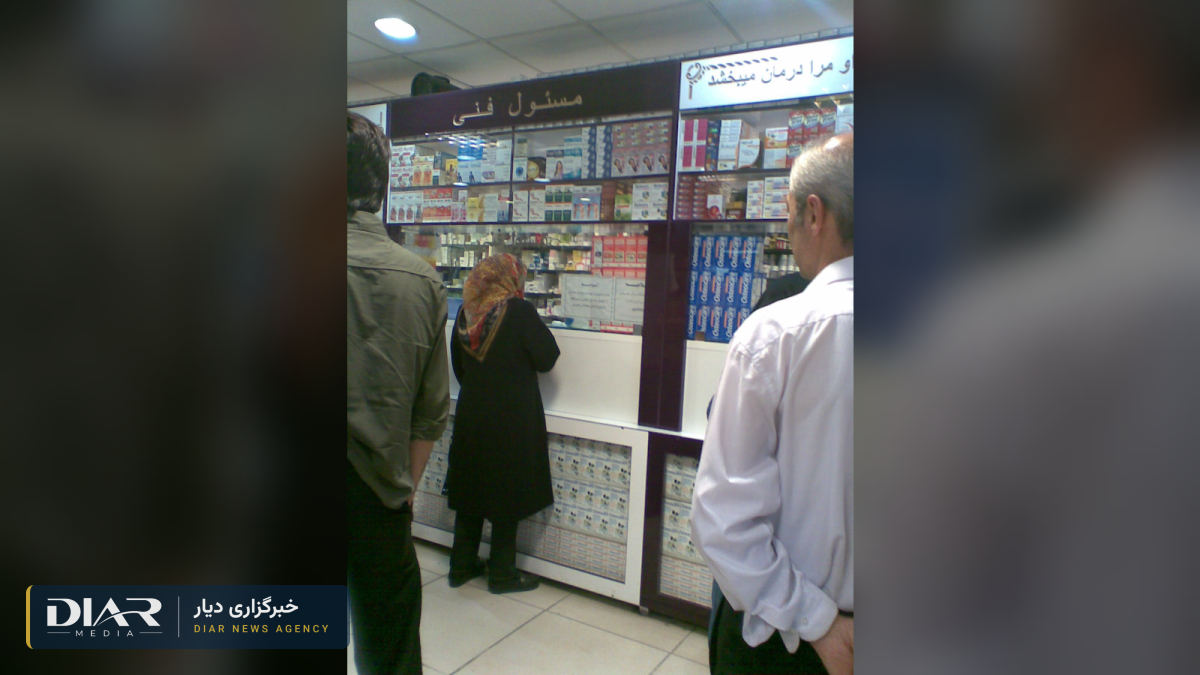
Iran's medicine crisis has deepened during the months of war and naval blockade, and the Islamic Republic's Health Ministry spokesman has called the state of the drug supply "abnormal". According to Kayhan London on Sunday, 11 October 2026, Hossein Kermanpour at the same time claimed that many of the measures taken in recent months to secure medicines cannot be made public "because of the special circumstances".
The Health Ministry spokesman accepted that even drugs that are exempt from sanctions on paper reach the country only with difficulty because of banking restrictions, the difficulty of transferring money and transport problems. He said the global price of raw materials has not necessarily risen, but the cost of getting them to Iran has risen sharply, and the use of middlemen and indirect routes has made imports more expensive and less reliable.
Drugs removed from insurance coverage
Ali Dehghan-Kia, chairman of the board of the Tehran Social Security Retirees' Association, told Kayhan London that nearly 500 drugs have been removed from insurance coverage and that the prices of some drugs have jumped since the preferential exchange rate was abolished. He said the Social Security Organisation's deficit has passed 400,000 billion tomans and that the cost of a household's basic basket has reached about 90 million tomans, while retirees' pensions have not risen in proportion.
According to the same report, even before the war the prices of more than 900 drugs and medical devices had risen, and the price of some items had gone up as much as sevenfold. Alireza Manzari, Iran's former representative to the International Civil Aviation Organization, has estimated that 90 to 100 percent of imported drugs and their raw materials arrive by air, and that moving them overland requires refrigerated trucks and much higher costs — a problem also seen earlier in the jump in freight rates from Turkey to Iran.
Patients abandoning treatment
Even members of the Islamic Republic's parliament admit the depth of the crisis. Salman Eshaghi, spokesman of parliament's health committee, has said part of the problems come not from war and sanctions but from wrong decisions and domestic corruption, adding: "We have closed our eyes to people dying for lack of medicine and the cost of treatment." He also spoke of patients who abandon treatment without telling their families and sell their medicine on the open market.
According to Kayhan London, some low-income families have given up treatment, and retirees who need permanent medication have cut their use. This situation contradicts the Islamic Republic's officials' earlier claim that 97 to 98 percent of the drugs the country needs are produced domestically — a crisis that, alongside the pressure of inflation and war on the Tehran market, is making people's daily lives harder.
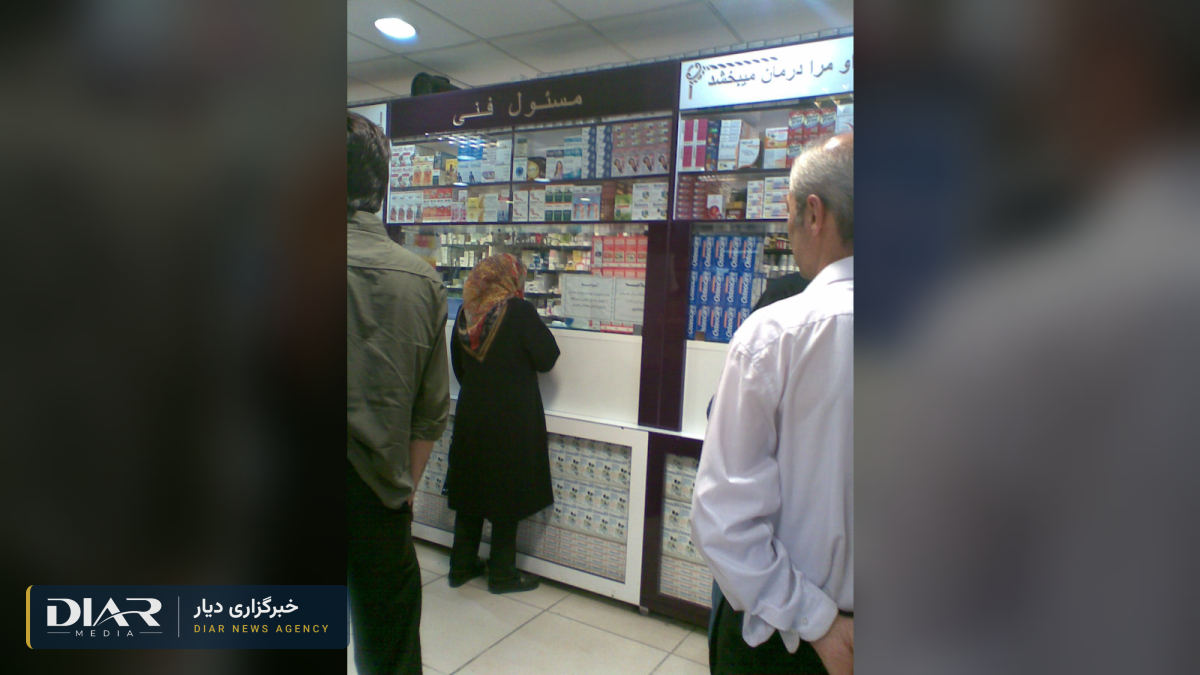
Nearly 500 drugs have been removed from insurance coverage, and a number of patients have abandoned their treatment.
Comments
No comments yet. Be the first.