
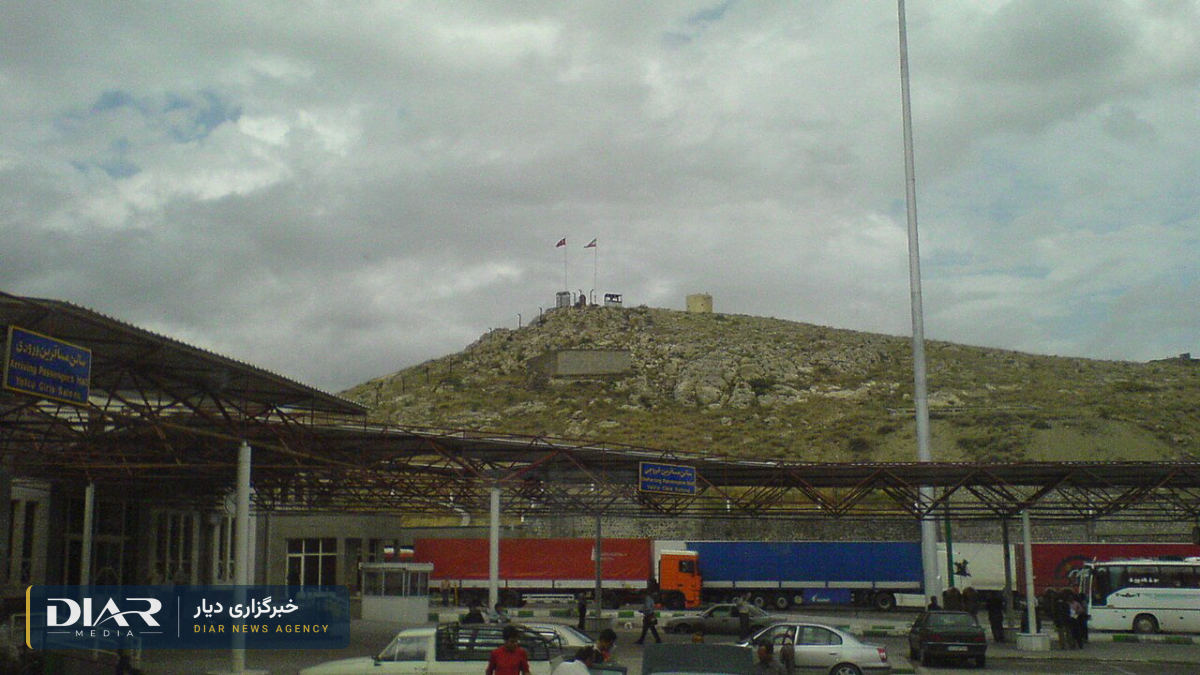
Freight rates from Turkish ports to Iran have risen more than fivefold in under two months, from about $1,500 to nearly $8,000. According to Iran International on Sunday, 11 October 2026, the jump comes as the US naval blockade of Iranian ports has made the Islamic Republic more dependent on land borders for importing basic goods.
Ehsan Malekzadeh, head of the Iran Association of International Transport Companies, put the current rate at $7,900 to $8,000 and attributed part of it to a shortage of trucks after long stoppages at the borders. According to him, the cost of freight, insurance and related services used to be at most about 10 percent of a shipment's value, but is now far above that level.
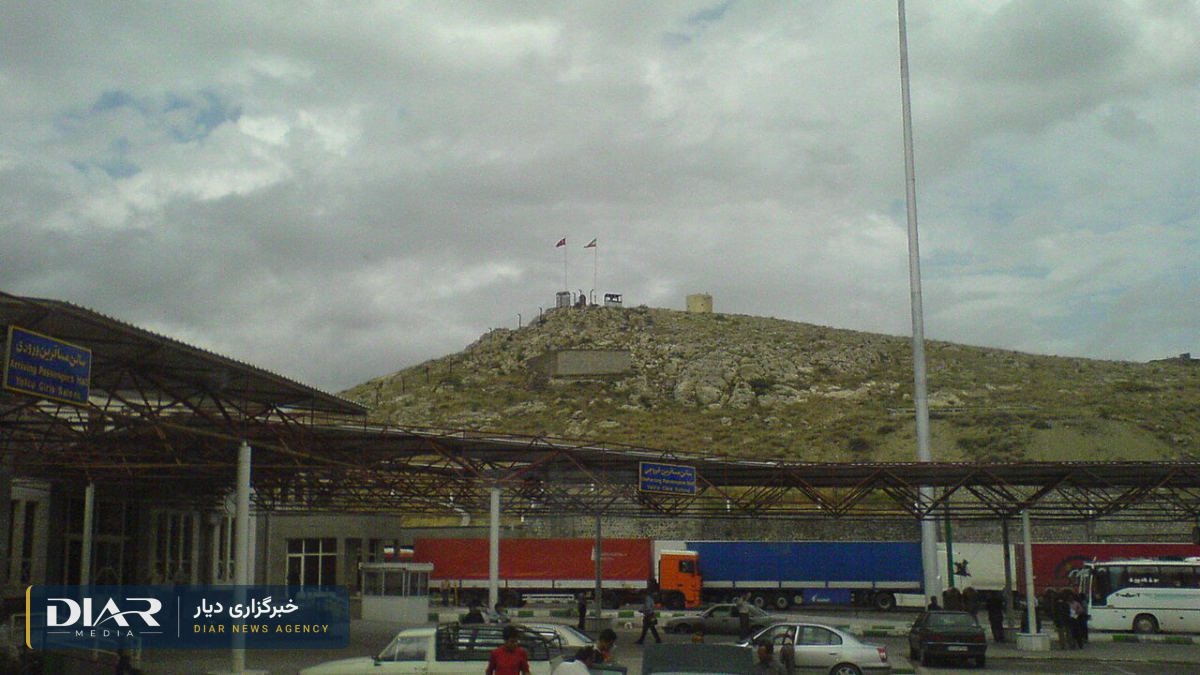
Truck queues at the Bazargan and Rimdan borders
According to Iran International, thousands of trucks are stuck at the Bazargan border crossing on the Turkish border, and Iranian drivers at the Rimdan crossing on the Pakistani border are waiting 20 to 25 days to cross. The closure of the Mirjaveh crossing and a lack of infrastructure at Rimdan have worsened the congestion. According to the same report, each day a truck is held up costs about $175, which can add thousands of dollars to the freight cost of each shipment.
Malekzadeh has warned that this situation raises the cost of imports and reduces the competitiveness of Iranian exporters, to the point that some export markets have been lost. Davood Rangi, deputy chairman of the Import Management Committee of Iran's Chamber of Commerce, had also said in August that replacing the essential cargo of one ship requires about 2,500 trucks, and that the land routes through Turkey and Pakistan do not have the capacity to replace the southern ports.
The "total isolation" campaign and the closing of land routes
The price rise comes as Scott Bessent, the US treasury secretary, told Newsmax on Thursday, 8 October, that Washington is working with Turkey and Pakistan to close all land routes for goods entering Iran, and called the UAE and Oman partners in the campaign. He had earlier also announced that the maximum pressure policy was being replaced with a campaign of "total isolation" of the Islamic Republic.
At the same time, energy-market analysts have warned that if the naval blockade continues, the Islamic Republic's oil export revenue will fall to zero by mid-December. To make up for the electricity shortage, the Islamic Republic is also looking to imports of electricity from Turkey and Turkmenistan — routes that are themselves now under pressure. The burden of these costs ultimately falls on citizens in the form of higher prices for imported goods.
Freight rates from Turkey to Iran have risen from $1,500 to $8,000 in under two months.
Comments
No comments yet. Be the first.