
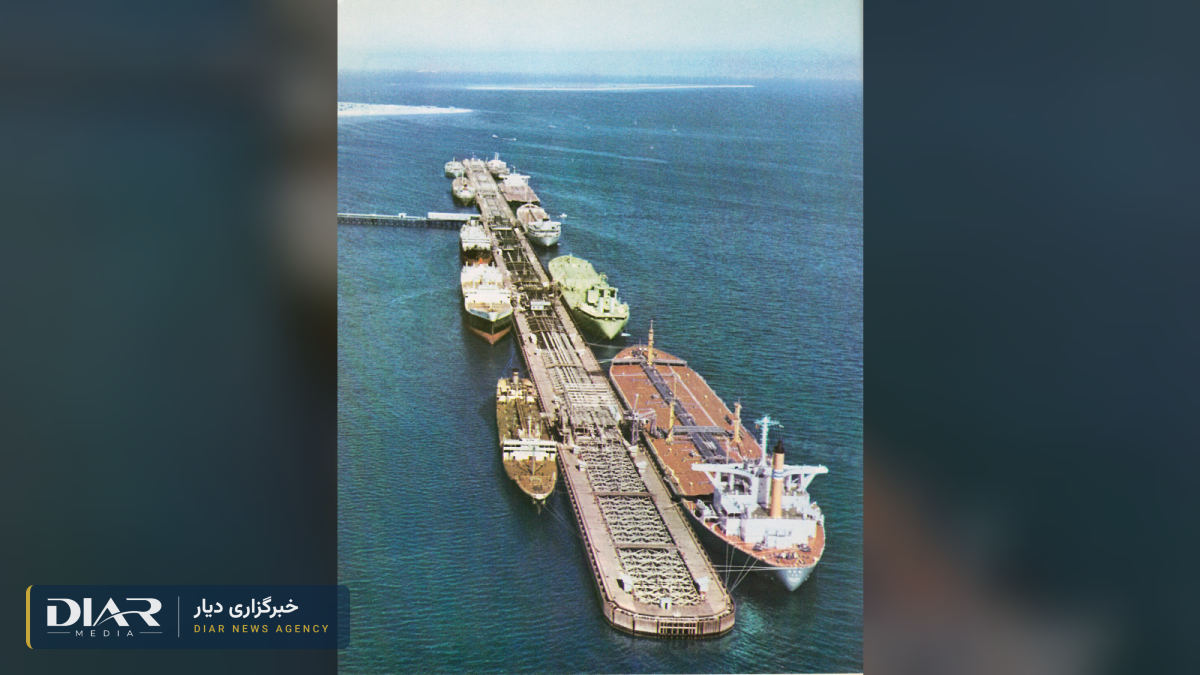
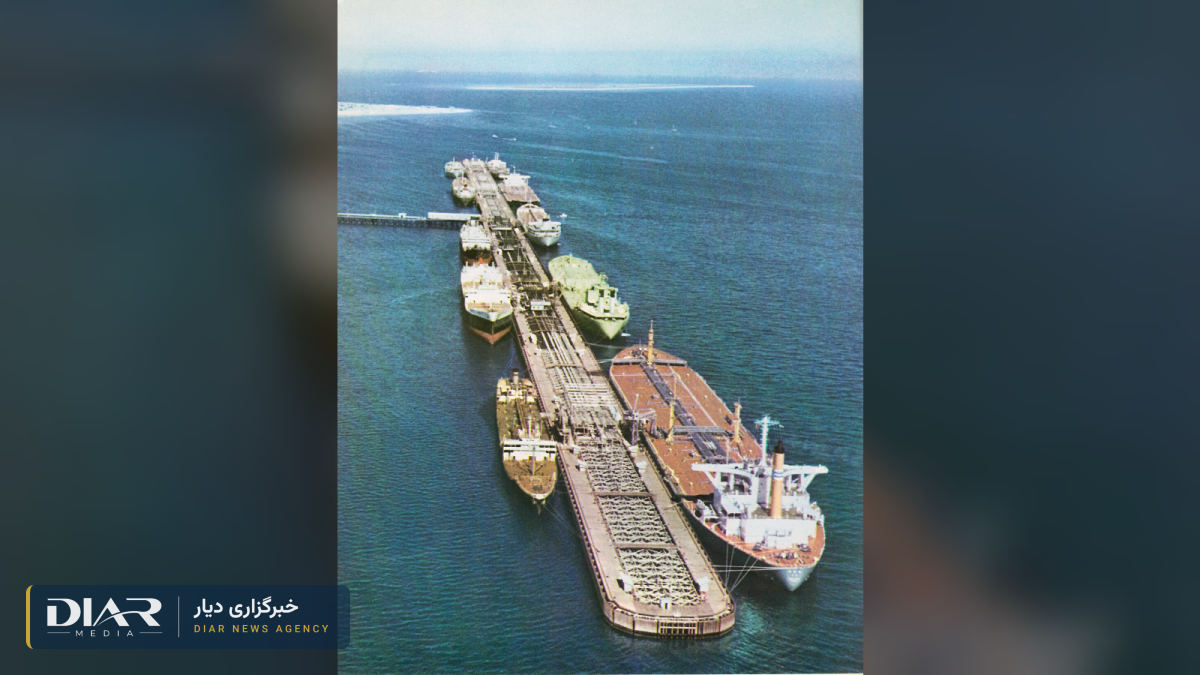
Homayoun Falakshahi, head of crude oil analysis at the energy data company Kpler, told Iran International on Saturday, 10 October 2026, that if the US naval blockade remains in place, the Islamic Republic's revenue from exports of crude oil and gas condensate will fall to zero by mid-December. He said this would be the first time in the history of Iran's oil industry that such a thing has happened.
According to Kpler's estimate, if this situation continues the Islamic Republic will lose between $3 billion and $6 billion a month in oil revenue, which is the country's largest source of foreign currency.
Iran's oil exports: the last cargoes at sea
According to Kpler data, about 8 million barrels of Iranian crude are now at sea outside the blockade zone, compared with nearly 90 million barrels in mid-July. These cargoes are expected to be unloaded by around 18 October. Since Chinese refineries usually pay for cargoes one to two months later, the Islamic Republic will probably receive its last oil revenue by mid-December.
Falakshahi said Iran loaded no crude oil or gas condensate cargoes in September, the first full month without loadings since 1978–79. The last recorded loading dates to around 26 and 27 August. According to Shafaq News, Bloomberg and Vortexa tanker-tracking data had also confirmed zero loadings in September, compared with about 250,000 barrels a day in August. Even during the Covid pandemic, Iran's exports fell to about 300,000 barrels a day but never stopped.
For the first time in history, the Islamic Republic's revenue from exports of crude oil and gas condensate may fall to zero.
Ways to get around the naval blockade
According to the Kpler analyst, unlike past sanctions, the US naval blockade has made it physically impossible for tankers to leave Iranian waters and has rendered the old methods of evading sanctions ineffective. He described the alternatives as limited: moving 50,000 to 70,000 barrels a day by truck through Iraq would require thousands of truck trips, and filling one large tanker would take about 20 days, whereas previously one large tanker was loaded every day. In his assessment, Iraq is unlikely to cooperate because of the risk of sanctions. The rail route to China reaches Tehran and is far from the main oil-producing regions, and Turkmenistan has reportedly restricted rail transit.
On 8 October, Donald Trump announced that the naval blockade of the Islamic Republic continues, and the US Treasury Department also sanctioned 17 tankers of the Islamic Republic's shadow fleet. At the same time, 19 Iranian tankers are stranded near Sri Lanka. According to Falakshahi, the fall in the rial's value and the sharp drop in corn and wheat imports are also linked to the expected collapse in oil revenue.
Comments
No comments yet. Be the first.