
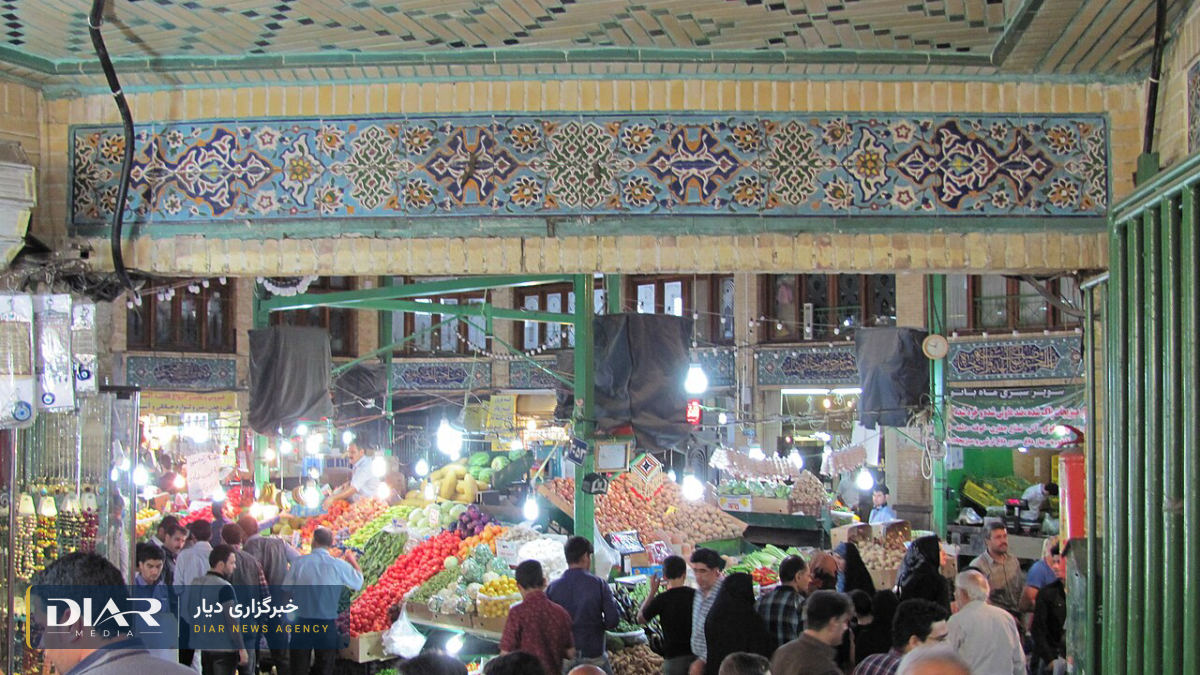
Ali Babaei Karnami, head of the social committee of the Islamic Republic's parliament, said on Sunday, 8 November 2026, that about eight million people in Iran have fallen into absolute poverty and malnutrition following the scrapping of the preferential exchange rate. He added that up to 50 million others struggle to buy the food they need and that many people do not get the calories they need each day.
The figure was given by one of the regime's own officials in an interview with a domestic outlet. Babaei Karnami blamed the problem on the "flawed implementation" of the plan, not on the plan itself. Under the plan, the preferential rate of 28,500 tomans was abolished and its subsidy was supposed to reach people at the end of the distribution chain so that they could buy basic goods at subsidised prices.
Workers' wages and the cost of living
According to the head of the parliament's social committee, a family of four needs a monthly income of at least 100 million tomans from one of its members to live at an average level, and even holding several jobs does not cover that cost. He also criticised the kalabarg (electronic food coupon) system, saying part of its money goes towards repaying bank instalments.
Babaei Karnami opposed a proposal to remove the top three income deciles from the kalabarg scheme, warning that it would also deprive workers earning 20 to 40 million tomans and households that own a car. He said: "Money should not be the issue at all; goods are what matter."
Rising prices and the economic crisis
The remarks come amid a new wave of price rises and falling purchasing power for workers and pensioners. In recent days there were also reports of the sale of 80 million barrels of oil by trustees who did not return the money, revenue that never reached people's tables.
By the admission of the head of the parliament's social committee, eight million Iranians have fallen into absolute poverty and 50 million struggle to afford food.
Comments
No comments yet. Be the first.