
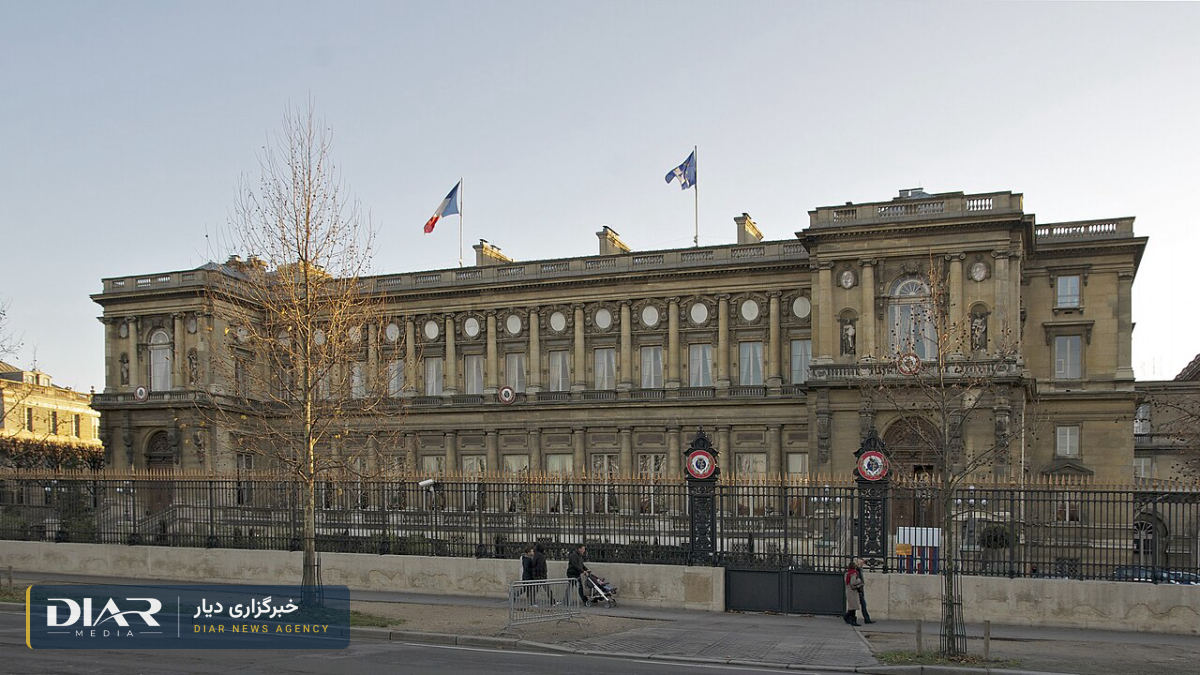
The Islamic Republic and France summoned each other's ambassadors this week. On Tuesday, 6 October 2026, the Islamic Republic's foreign ministry summoned Pierre Cochard, France's ambassador in Tehran, to protest the French police's handling of school student protests, and the next day, Wednesday, 7 October, France called the Islamic Republic's ambassador in Paris in to its foreign ministry.
According to Anadolu Agency, the summons came just one day after the Islamic Republic's judiciary executed two protesters from the January uprising on Monday, 5 October. The state broadcaster IRIB claimed the French ambassador was summoned over "violent treatment of school student protests" and "widespread human rights violations". Esmaeil Baghaei, the Islamic Republic's foreign ministry spokesman, accused Paris of a "double standard" and said France had called for restraint towards Iranian protesters last January.
France's response to the Islamic Republic
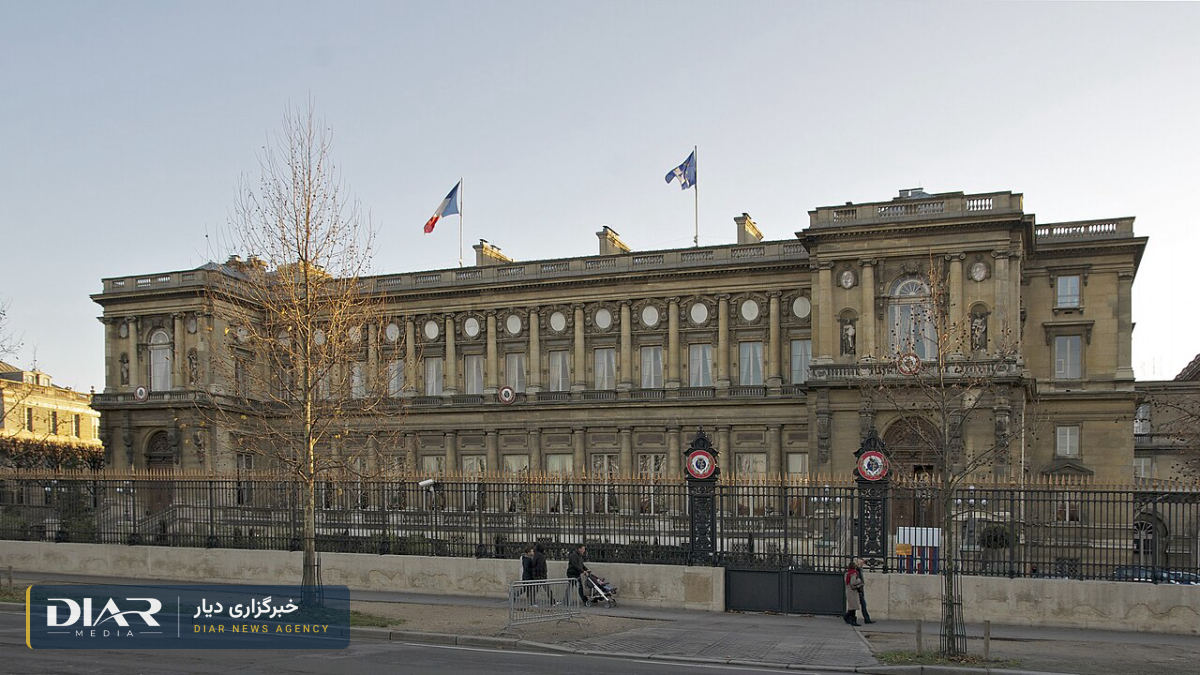
According to Brussels Signal, Pascal Confavreux, spokesman for France's foreign ministry, told the Islamic Republic's ambassador that the content published by the Islamic Republic's official accounts about the protests in France is false, that the summoning of the French ambassador was baseless, and that these provocations must stop. French Foreign Minister Jean-Noël Barrot had requested the summons.
The protests by French lycée students began in late September at a school in Créteil, east of Paris, over overcrowded classes, a shortage of teachers and dilapidated school buildings, and spread to Paris, Lyon, Lille and Marseille. According to the French interior ministry, more than five thousand people, most of them teenagers, have been detained, and France's National Consultative Commission on Human Rights has also expressed concern over the disproportionate use of force; it is an independent body that freely criticises the police in France.
A government that killed thousands of protesters in the January uprising and is still executing protesters now speaks of French school students' right to protest.
The Islamic Republic's record against protesters
The Islamic Republic's claim to defend the right to protest comes as independent UN experts, pointing to the killing of thousands of unarmed protesters in the January uprising, have called on the Islamic Republic to halt all executions immediately. HRANA's annual report also recorded at least 2,003 executions in Iran in a single year. During the January uprising the government cut internet access across the country, and it continues to sentence protesters to death, including Hadi Abbasian, a protester from Shirvan, who was sentenced to death over protest videos on Instagram.
Relations between Paris and Tehran were already tense. In August France expelled two diplomats of the Islamic Republic after two employees of the French embassy in Tehran were detained and one of them was beaten. In September the Islamic Republic in turn closed the French language centre in Tehran.
Comments
No comments yet. Be the first.